
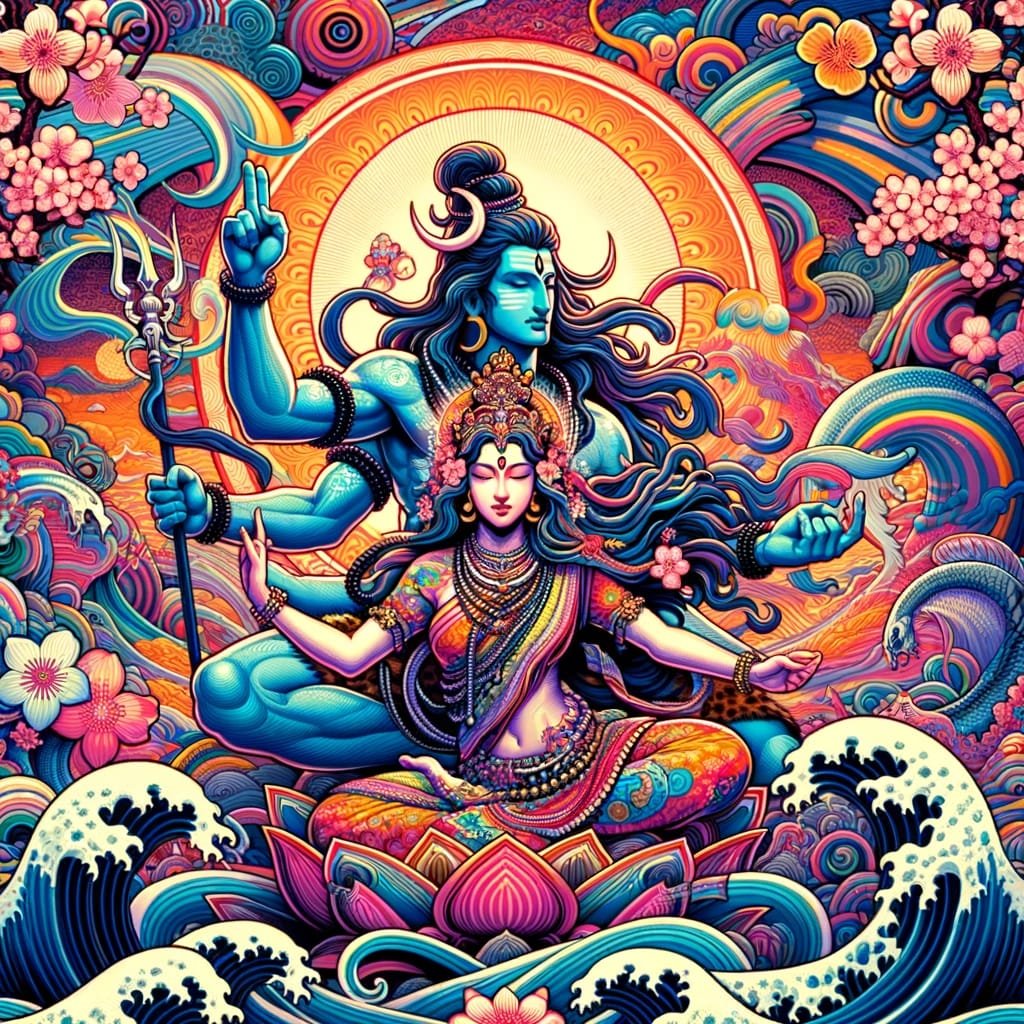
Sahaja Soma offers a nondual Tantric approach to plant medicine preparation and integration.
Sahaja Soma aims to:
Offer an alternative approach to preparing for, navigating and integrating plant medicines (Ayahuasca, Soma) in a way that draws on the wisdom of the nondual Tantric traditions of Vajrayana Buddhism and Shaiva Shakta Tantra yet is approachable and relevant for a modern, secular person who has no background in meditation.
Articulate an approach to plant medicine, meditation and awakening that offers both a clear science of the mind and a rich appreciation of art and aesthetics.
Make the esoteric accessible by conveying the value of the arts, images and symbols for inquiring into the nature of consciousness and understanding how plant medicines (Ayahuasca, Soma) transform us.
Elevate the non monastic, yogic traditions that emphasize an approach to meditation and awakening focused on integration into daily life for householders.
Offer greater resources for those committed to Dharma and yoga practitioners who are interested in more in depth conversations and writings on these nondual Tantric traditions, meditation, yoga, awakening and related topics.
Designed for an audience interested in Nonduality, Tantra, Dharma, meditation & psychedelics.
People open to working with psychedelics and meditation as complementary practices that inform one another.
Dharma, meditation & yoga practitioners explicitly interested in conversations and writings centered around these nondual Tantric traditions.
Artists, creatives & others who wish to approach meditation & plant medicine in a way that embraces and celebrates creativity, art and beauty.
Those interested in exploring the esoteric, symbols and art in order to recognize universal truths about the nature of consciousness.

About Adrian
Adrian Baker is a psychedelic preparation and integration coach whose approach to Ayahuasca and the Ayahuasca analogue Soma draws heavily on his study and practice in nondual Buddhist and Hindu Tantra. In simple terms for those who are not yoga and meditation nerds (definitely not a requirement!), he believes that a contemplative approach to psychedelics (meditation, mantra, yoga, the study of mythology to explore the unconscious) is an equally vital approach to psychedelic preparation and integration as the psycho therapeutic approach.
Adrian became interested in Dharma (Buddhism), yoga and meditation when he moved to Thailand in 2010. After graduating from university in 2005, Adrian worked at the investment bank Goldman Sachs and then in political fundraising in DC before burning out and moving to Southeast Asia in hopes of finding a fresh start.
After teaching history in middle and high school for five years, he decided to dedicate more of his time to studying eastern religion and practicing meditation in a variety of spiritual traditions, primarily Buddhist and Shaiva Shakta Tantra. Though it seemed somewhat crazy given that he had just gone to graduate school for his Masters in Education, something deep inside told him that this was the most important thing that he could do with his life: to turn inward and to explore the nature of his own heart and mind. It’s the most worthwhile thing that he’s ever done.
Adrian is a graduate of the Mindfulness Meditation Teacher Training with Jack Kornfield and Tara Brach, and has completed 600 hours of yoga teacher trainings. He has spent extensive time practicing meditation on retreat and continues to study the mythology and the Shakta Tantra traditions of South India with his teacher Dr. Douglas Brooks. The meditation teachers that have had the greatest impact on are Sally Kempton, Adyashanti and Tsoknyi Rinpoche. He has worked with psychedelics as a tool for personal growth for over 25 years.
Adrian holds a Masters in Education from Stanford University, a Masters in Economic History from The London School of Economics and a BA in Africana Studies from Brown University.
Lineage
Anything of value on this platform comes from the wisdom of great teachers and traditions from the past, in particular the nondual Tantric traditions of Vajrayana Buddhism and Shaiva Shakta Tantra. The creation of Sahaja Soma is, in part, an offering to my own teachers and to these lineages.
It is an attempt to ensure that their wisdom lives on through speaking in a way that connects with elements of a modern audience who might not otherwise encounter these teachings, in addition to those who already practicing within these traditions.
My Most Influential Teachers Are:
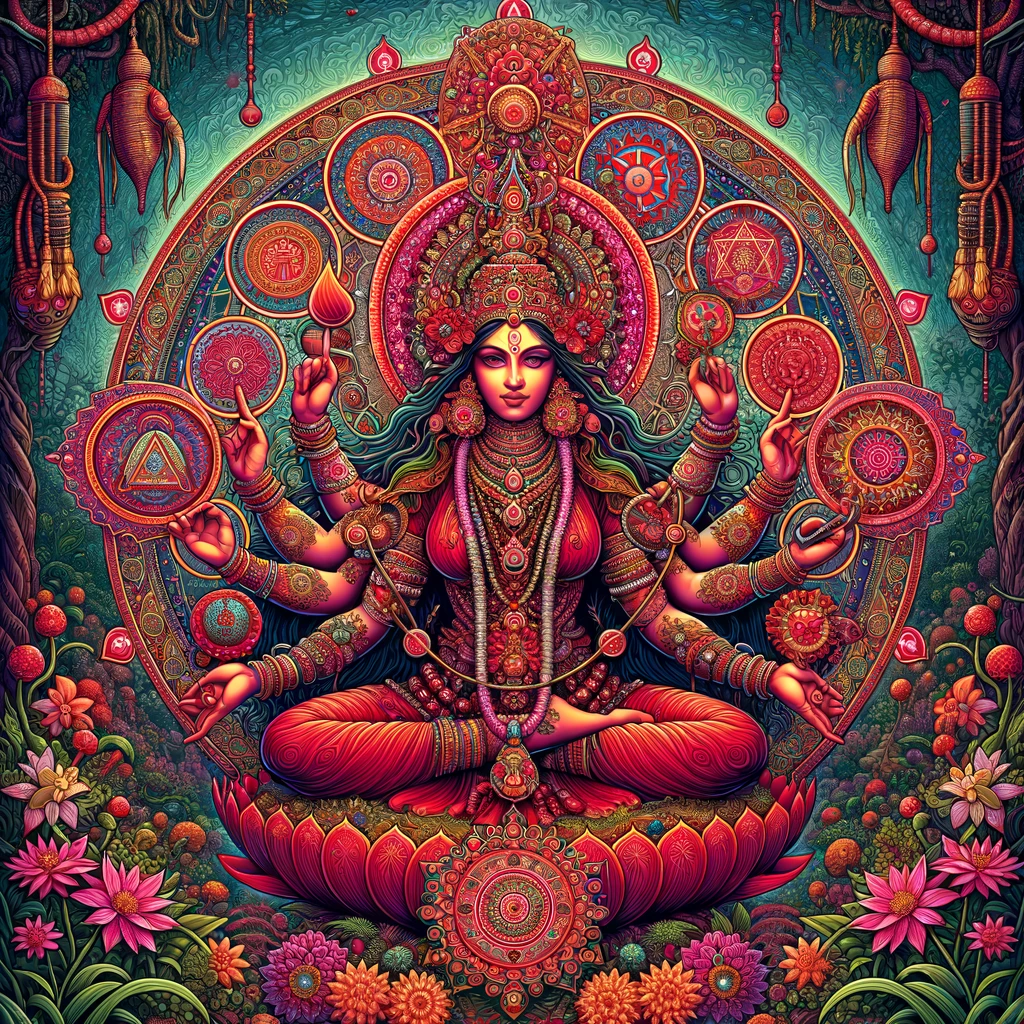
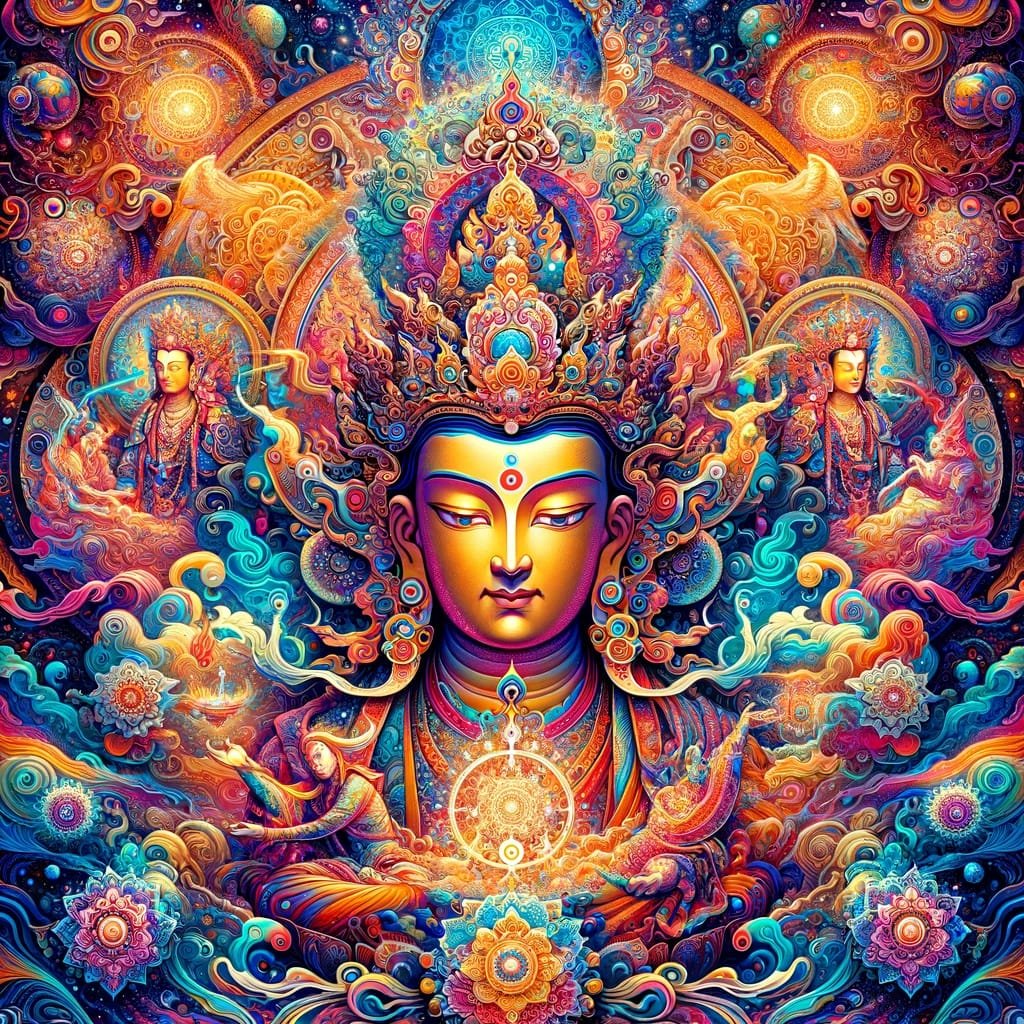
Important teachers of mine from other traditions include Adyashanti, Jack Kornfield, Tara Brach, Vince Horn and Kenneth Folk. Through these teachers I share a connection to Theravada Buddhism (the Thai Forest tradition of Ajahn Chah and the Mahasi Sayadaw lineage of Burma) as well as Zen.
In building Sahaja Soma, one of my greatest hopes is that this platform will serve as a bridge for people to encounter the wisdom from the nondual Tantric traditions of Vajrayana Buddhism and Shaiva Shakta Tantra.
I hope that many people who encounter what they like on Sahaja Soma will be inspired to study in a more traditional context, whether with any of my own teachers or teachers that feel most aligned with them.
Yet I also know that many people will not choose to go down a more formal path, of studying with a Tibetan Lama or engaging in esoteric practices in a formal religious context from a very different time and place. Therefore, part of my intention is to give people a taste of these teachings who might not otherwise encounter them.
In particular, I speak to the many people around the world who are interested in or who are already working with plant medicines such as Ayahuasca and Soma and who might benefit immensely from adapting the teachings of these nondual wisdom traditions to help ground and guide their work with these medicines.
In my experience as well as the experience of my plant medicine mentor, the teachings of these nondual Tantric traditions and the plant medicine path are naturally aligned. Sahaja Soma hopes to articulate the connections between these two paths for those who might be interested, whether that person is starting with meditation or with plant medicine.
Finally, I also hope that Sahaja Soma serves as an opportunity to appreciate the incredible beauty and the immense contributions to humanity of the cultures that birthed and nurtured this wisdom: from India throughout the Himalayas: Bhutan, Nepal, Sikkim, and Tibet.
What this platform offers differs from the traditional approaches that one often encounters in Ayahuasca circles.
The approach offered on Sahaja Soma is not a challenge to any other culture, belief or people; it honors and respects those cultures and communities that have brought Ayahuasca to the attention of so many other people around the world.
Rather, it is an invitation to approach these plant medicines in a different way, an approach rooted in these nondual Tantric traditions from the Indian subcontinent. These traditions deeply appreciated the value of art and symbols for recognizing deeper truths about consciousness and the psyche. They articulated a vision for a spiritual life that is affirmative of refinement and beauty, as well as freedom and transcendence.
These nondual Tantric traditions that originated in the Indian subcontinent reveal profound truths about the nature of consciousness, the path of spiritual awakening and the ways in which our spiritual and creative impulses are deeply interwoven. Like weaving the threads of a tapestry, awakening and artistry are intrinsically interconnected.
Awakening to our true nature invites us not only into a profound sense of peace and freedom; it brings us into alignment with the creative intelligence of the universe that wants to manifest uniquely through each of us. These practices of meditation and plant medicine are about removing the obstructions that block the natural flow of that life force so that we come into greater alignment with a sharper sense of vitality and purpose and connection.
To those who might have an allergy to anything that seems “religious,” I can absolutely appreciate this sensitivity. I myself was such a skeptic until I came to appreciate that one could appreciate the value of contemplative practices embedded in certain religious traditions that spoke to a deep yearning for spirituality within me.
This is not about subscribing to blind faith or dogma.
The insights about the nature of consciousness, and about the deeper causes of happiness and well being, offered by a tradition such as Vajrayana Buddhism or Shaiva Shakta Tantra have nothing to do with identifying as a Buddhist or a Hindu, anymore than reaping the benefits of modern medicine, science and technology requires you to identify as being a “Westerner” simply because these discoveries happened disproportionately in a specific region of the world.
Finally, I would like to note that my personal experience with plant medicine is mostly with an Ayahuasca analogue that many people refer to as Soma, which is a combination of Peganam Harmala (Syrian Rue) with a DMT source such as Chacruna or certain forms of Acacia (Please note the use of the word Soma here does not assert that this combination was the historical psychedelic brew described in the Rig Veda). However, in my experience and that of my plant medicine mentor, who has worked extensively with both Ayahuasca and Soma, the applicability of these teachings is equally applicable to both Ayahuasca and Soma.
Like the practice of meditation, the truth of this statement or anything else on this platform are claims that must be investigated within the immediacy of one’s own direct experience, for the words, images and symbols being employed are pointing to something that is beyond concepts.